Popcorn
Well-Known Member
- Joined
- Jan 30, 2019
- Messages
- 5,533
- City & State/Province
- Cookeville, TN Cadiz, KY and random other places
It's gettin very late! Greenup is coming fast but we got it done today!
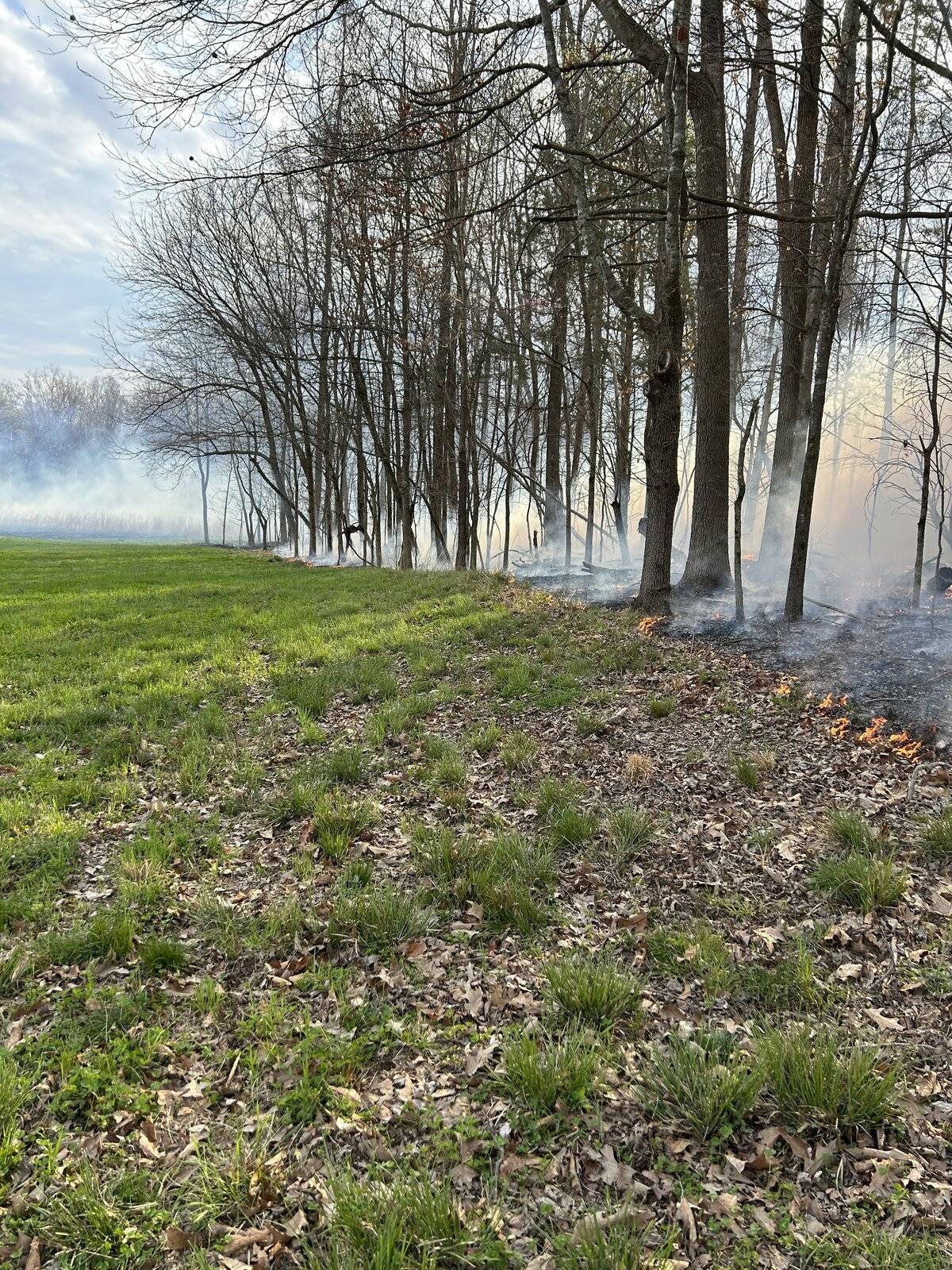





Same hereI've not been brave enough lol


Love those fire breaks. Back pack blowers are an awesome tool!Burned 2 units yesterday as well. One was 4 acres and one was about 7 acres.
View attachment 220652
View attachment 220653
View attachment 220654
That's about what we burned yesterday and last night. About 15 acres of native grasses and the rest was woodland.My Apple Watch logged 13mi and more than a few calories burned last Saturday putting in firebreaks. Got the call from the burn boss yesterday we're up next…160ac.
View attachment 220671

Good fire breaks and stay focused. I periodically jump in the UTV and make a run to back check my boundaries. When blowing or raking fire breaks look for hang ups and hollow trees that are near the boundary that might cause the fire to jump the break and make a break around those.I've burned before but never a block this big so will have the experts on hand to help this go'round. After this first one should be able to manage future burns but really looking forward to watching the wildlife habitat transformation.

Absolutely not an ideal warm season planting but I've had great luck with Marshall ryegrass when temps cool and fall rains begin. It'll burn up thru the warmer/drier months though.What do you guys plant in the fire breaks after the burn is complete?
Nothing. There is usually a flush of forbs right after a burn then other plants later. Watch and you get to see what's in the soil bank. Wildlife will love itTn forestry got my fire breaks done this week. They plan on burning first of April. What do you guys plant in the fire breaks after the burn is complete?
I enjoy the tactics/challenge of burning in ridge and holler country... most of the time, anywaysBurning is one of the best and most useful tools in the habitat manager's arsenal. Yet it is the tool I will only use as a last resort! I HATE working with fire, especially in hilly hardwoods.
Depending on how good the soil is (disked vs dozer-scraped), could be about anything. I would generally steer away from grains (grasses) unless you plan to freshen it up before the next burn. Those fine fuels can be a problem for sure.Tn forestry got my fire breaks done this week. They plan on burning first of April. What do you guys plant in the fire breaks after the burn is complete?
Good to know plus saves me some money in not buying seed. Do you Bush hog it every year in the spring?Nothing. There is usually a flush of forbs right after a burn then other plants later. Watch and you get to see what's in the soil bank. Wildlife will love it
I try to burn every third year, in thirds or close proximity. If for some reason I do t get it burned or it just isn't gonna carry a fire I will mow it. A few really rough or swampy areas I will let go till a logger gets interested or I run a dozer thru it.Good to know plus saves me some money in not buying seed. Do you Bush hog it every year in the spring?
Thats something I didn't think about, future burning. My property is all mature hardwoods with the exception of two small food plots. One is an acre, and the other is two acres.Depending on how good the soil is (disked vs dozer-scraped), could be about anything. I would generally steer away from grains (grasses) unless you plan to freshen it up before the next burn. Those fine fuels can be a problem for sure.


It's not as bad as you think. Next time we do one, you're more than welcome to come hang out and watch. We did a 4 acre section in 1h annd 13m and a 7 acre section Thursday in 1h 20m. After a few burns, it becomes second natureBurning is one of the best and most useful tools in the habitat manager's arsenal. Yet it is the tool I will only use as a last resort! I HATE working with fire, especially in hilly hardwoods.
When you're working with slopes so steep you have to crawl up them on your hands and knees, the upslope wind created by a fire can be pretty intimidating. I've seen trickling fires turn into raging infernos in a matter of minutes.I enjoy the tactics/challenge of burning in ridge and holler country... most of the time, anyways
We back it down til it finds fuel too wet to carry in those spotsWhen you're working with slopes so steep you have to crawl up them on your hands and knees, the upslope wind created by a fire can be pretty intimidating. I've seen trickling fires turn into raging infernos in a matter of minutes.
I've seen slow fires backing into the wind suddenly flare back up the slope because the upslope wind increased fire temperature until suddenly fuel not consumable by a "cool" fire becomes consumable by a hot fire.We back it down til it finds fuel too wet to carry in those spots