

I've heard about TSI for years and how you should do this on your properties. looking at doing some this winter between deer and turkey season. All this talk about it, I've never heard someone explain how to determine what areas or trees to cut/kill for TSI. When you are looking at TSI on a property, how do you come up with a plan. A 30 sec cutting could cost you 40 years of growth. I've also seen recommendations for hack/squirt, hinge or straight cut. What determines this?

You are using an out of date browser. It may not display this or other websites correctly.
You should upgrade or use an alternative browser.
You should upgrade or use an alternative browser.
TSI
- Thread starter Shooter77
- Start date




DoubleRidge
Well-Known Member
I completely understand your questions and you are wise to ask them. For a TSI project you need a plan. For our project we hired a Forester to help us develop a timber management plan. He also help us apply for grant money through the NRCS program which helped with the hack-n-squirt cost. I gained a ton of knowledge working with our Forester and would highly recommend you seek assistance from one. I'm in middle TN so I doubt our Forester would travel too far east but I believe the State Foresters and even TWRA have experienced folks who can walk your property and help make a management or improvement plan at NO cost!! Or you can hire a private Forester....The plan that was developed for our property spelled out the timber stand improvement plan and goals but also spoke to the food plot opportunities in the area....great experience.....good luck on your project....it's a long process but very rewarding to watch a piece of property develop and improve over time.
What area of East TN? I highly recommend consulting a forester. Like DoubleRidge said the State will provide you with various plans and recommendations at NO cost to you. This can sometimes take a few months before they are able to get to your property. A private forester can also be very resourceful and it never hurts to build a relationship with a forester because you never know when you may need to call upon one.
You can also do a lot of the work yourself. I believe NRCS will also provide some cost-sharing programs to do various things if you choose to do the work yourself. Properly identifying the marketable trees you want to keep would be a great place to start for any TSI project. A lot of factors come into play when determining to hack and squirt v. hinge cutting v. girdling v. straight cut. Such factors may include budget, size of the area, age, size, and species of the trees, time, and terrain.
You can also do a lot of the work yourself. I believe NRCS will also provide some cost-sharing programs to do various things if you choose to do the work yourself. Properly identifying the marketable trees you want to keep would be a great place to start for any TSI project. A lot of factors come into play when determining to hack and squirt v. hinge cutting v. girdling v. straight cut. Such factors may include budget, size of the area, age, size, and species of the trees, time, and terrain.
BSK
Well-Known Member
I would follow everyone else's advice and consult a professional. So much goes into designing long-term habitat/timber plans. What are the goals of the plan? Is the focus wildlife production or future timber value? For TSI work, what equipment and labor will you have available (cutting trees down is more effective than hack-and-squirt, but also much more labor intensive)?
Site selection gets really complicated.
Site selection gets really complicated.
Boll Weevil
Well-Known Member
10 years ago we initiated a TSI plan with the primary goal of improving the timber quality, species mix, and longterm value (both financial and wildlife). Crop trees are oak (white, red, cherrybark, nuttall), poplar, black cherry, loblolly and shortleaf pine, and the occasional sweetgum. We sought out these species with good form, considered their position in the stand, spacing, and released based on touching crowns.
We took a hybrid approach with the competing junk/undesirable trees: felled, girdled, basal spray, and hack'n squirt. Chemical applications work really well for smooth/thin bark trees. It takes a few years but the remaining crop trees really responded well and jumped up in height and out in crown.
1) Form and/or position in the stand. If you have lots of multi-stemmed trees or areas of overstocking, sometimes you must decide which trees to remove simply to decrease competition. Low forks, excessive sweep, injury, and branching can all help determine which to keep vs. remove.
2) Shade tolerance. When you open up the timber and sunlight hits the ground some of those stumps will sprout and some will not. Do a quick search on "shade tolerant tree species" to help guide in this regard.
3) Although gums aren't the most highly valued, they'll still make a log one day and depending on your regional market they're worth something even if it's just pulp. I won't cut a gum "just because it's a gum" if there's no other crop trees around.
4) Safety. Flying along felling "little stuff" it's easy for the focus on safety to fade a little as the day wears on. Vines connecting trees can easily pull the 3-5" diameter tree you cut a moment ago with the tree you are currently felling. Little stumps left even an inch or two above the ground but still hidden by leaves can be tripping hazards. Felled saplings especially in severely overstocked stands are prone to hanging/lodging. Just because it's small diameter doesn't mean it's not hazard.
We took a hybrid approach with the competing junk/undesirable trees: felled, girdled, basal spray, and hack'n squirt. Chemical applications work really well for smooth/thin bark trees. It takes a few years but the remaining crop trees really responded well and jumped up in height and out in crown.
1) Form and/or position in the stand. If you have lots of multi-stemmed trees or areas of overstocking, sometimes you must decide which trees to remove simply to decrease competition. Low forks, excessive sweep, injury, and branching can all help determine which to keep vs. remove.
2) Shade tolerance. When you open up the timber and sunlight hits the ground some of those stumps will sprout and some will not. Do a quick search on "shade tolerant tree species" to help guide in this regard.
3) Although gums aren't the most highly valued, they'll still make a log one day and depending on your regional market they're worth something even if it's just pulp. I won't cut a gum "just because it's a gum" if there's no other crop trees around.
4) Safety. Flying along felling "little stuff" it's easy for the focus on safety to fade a little as the day wears on. Vines connecting trees can easily pull the 3-5" diameter tree you cut a moment ago with the tree you are currently felling. Little stumps left even an inch or two above the ground but still hidden by leaves can be tripping hazards. Felled saplings especially in severely overstocked stands are prone to hanging/lodging. Just because it's small diameter doesn't mean it's not hazard.
Boll Weevil
Well-Known Member
One more thing; this was done at scale over the course of several years. I'm not talking about a 1/4 ac here and 2 ac there but large scale TSI. Walking through that stand of timber now is about as pleasing as you can imagine. Tall, high value species, straight, spaced and healthy crowns and my how they've responded in girth. The crop trees are far out pacing any remaining junk and that understory will be completely shaded out and die in years to come.





As an Amazon Associate we earn from qualifying purchases. Product prices and availability are accurate as of the date/time indicated and are subject to change.
BSK
Well-Known Member
This is an EXCELLENT example of TSI for future timber value. Thanks for posting it Boll Weevil.10 years ago we initiated a TSI plan with the primary goal of improving the timber quality, species mix, and longterm value (both financial and wildlife). Crop trees are oak (white, red, cherrybark, nuttall), poplar, black cherry, loblolly and shortleaf pine, and the occasional sweetgum. We sought out these species with good form, considered their position in the stand, spacing, and released based on touching crowns.
We took a hybrid approach with the competing junk/undesirable trees: felled, girdled, basal spray, and hack'n squirt. Chemical applications work really well for smooth/thin bark trees. It takes a few years but the remaining crop trees really responded well and jumped up in height and out in crown.
1) Form and/or position in the stand. If you have lots of multi-stemmed trees or areas of overstocking, sometimes you must decide which trees to remove simply to decrease competition. Low forks, excessive sweep, injury, and branching can all help determine which to keep vs. remove.
2) Shade tolerance. When you open up the timber and sunlight hits the ground some of those stumps will sprout and some will not. Do a quick search on "shade tolerant tree species" to help guide in this regard.
3) Although gums aren't the most highly valued, they'll still make a log one day and depending on your regional market they're worth something even if it's just pulp. I won't cut a gum "just because it's a gum" if there's no other crop trees around.
4) Safety. Flying along felling "little stuff" it's easy for the focus on safety to fade a little as the day wears on. Vines connecting trees can easily pull the 3-5" diameter tree you cut a moment ago with the tree you are currently felling. Little stumps left even an inch or two above the ground but still hidden by leaves can be tripping hazards. Felled saplings especially in severely overstocked stands are prone to hanging/lodging. Just because it's small diameter doesn't mean it's not hazard.
Great advice guys! I will get with a forester. I've heard I need to have the timber appraised so if i ever cut it, that I can have a value for tax purpose.
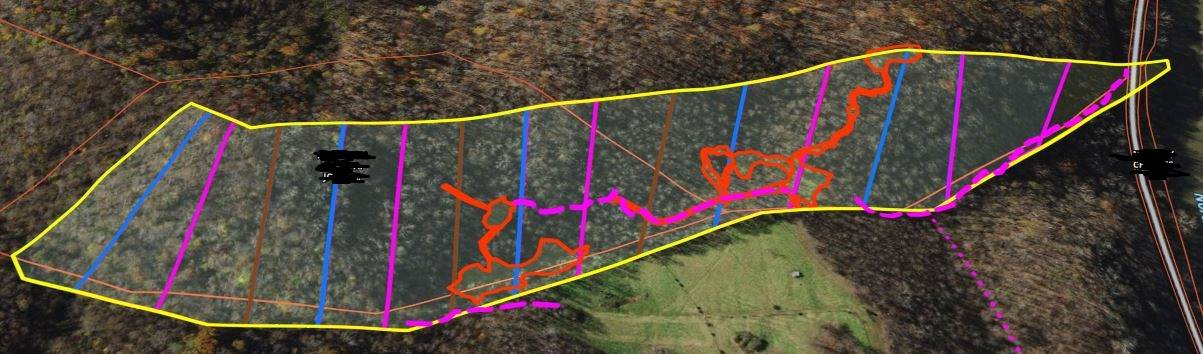
I'm looking to do maximize value and wildlife, mostly wildlife is the point of the land. I want my kids to have great hunting for years to come. My land is 150 yards wide by 30 acres long. I went in sectioned off my farm into 2-3 acres and starting in 2022, work on 4 sections, then do it again in 24 and 26 till i've done the entire property. Property was probably high graded back in early 80's. The previous owner bought it 1985 and never did anything with it.
I'm looking to do maximize value and wildlife, mostly wildlife is the point of the land. I want my kids to have great hunting for years to come. My land is 150 yards wide by 30 acres long. I went in sectioned off my farm into 2-3 acres and starting in 2022, work on 4 sections, then do it again in 24 and 26 till i've done the entire property. Property was probably high graded back in early 80's. The previous owner bought it 1985 and never did anything with it.
Attachments

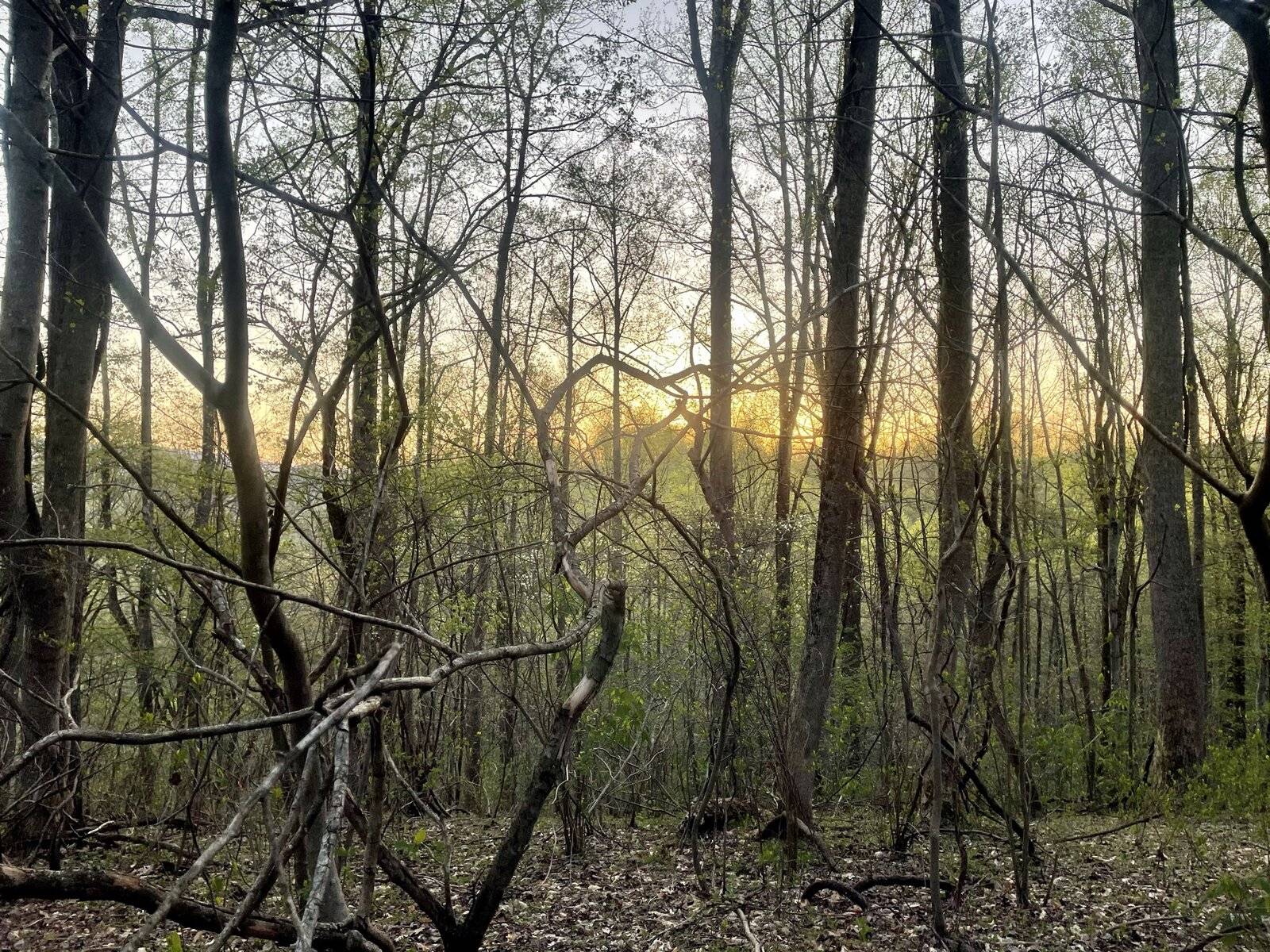

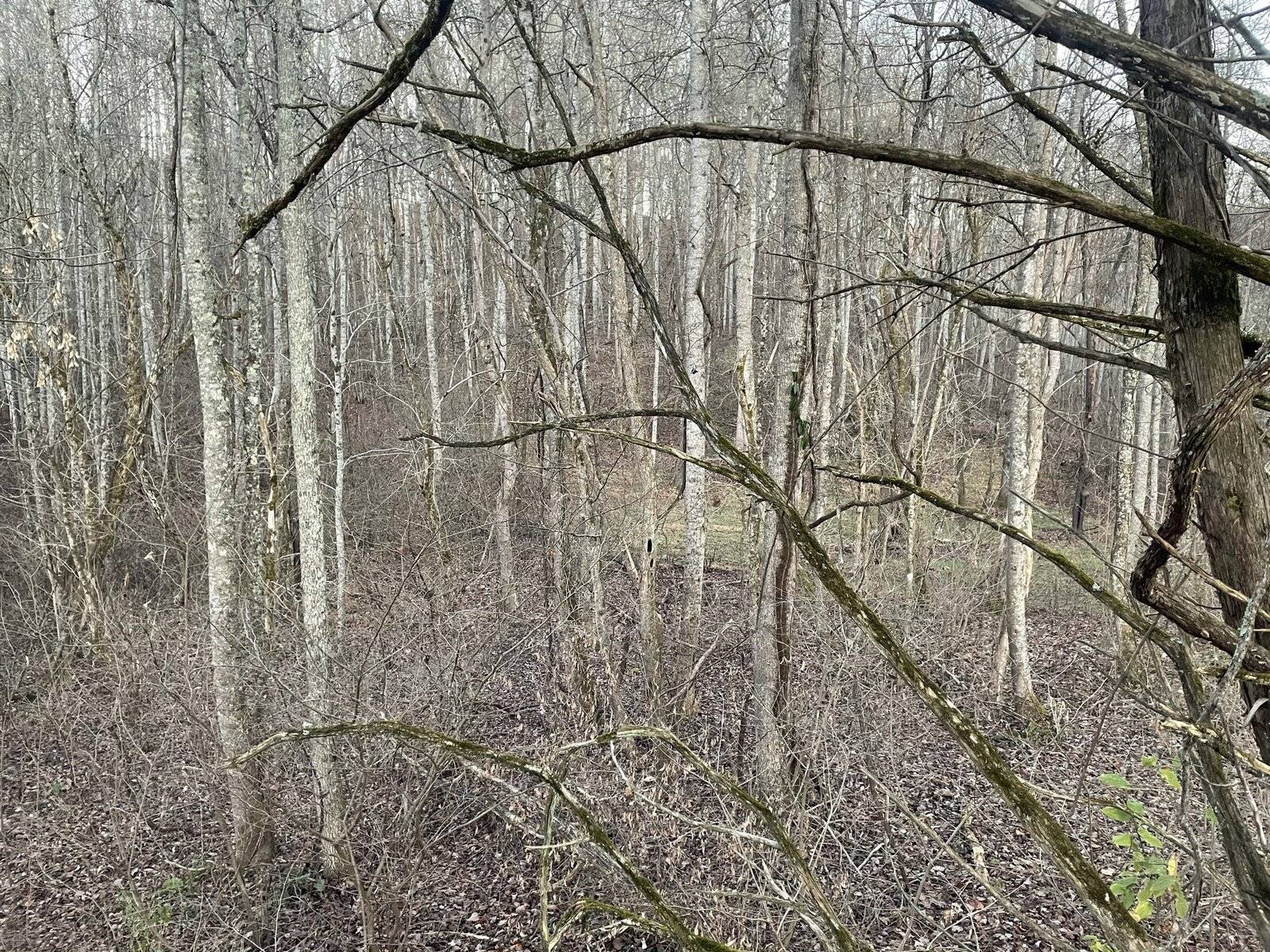
Boll Weevil
Well-Known Member
Looking at your pics another thing you might think about once you take care of some of the junk is you'll see alot more sunlight on the ground. You can go back in there and interplant hardwoods in the canopy "holes" that were created. This was prescribed in my FMP and did it in one block this past winter. You wouldn't believe how those little seedlings took off in just one growing season! You'll give your kids and/or grandkids a head start on the next stand of timber.

@Boll Weevil Thanks for the info. Do you (or anyone) have a professional forester they would recommend in SW TN? Feel free to reply by PM if you'd rather. I've found some names using the search function, but many of them as I recall were in middle or east TN.
Blame it on 2020 or whatever, but unfortunately I've received ZERO response, much less assistance or consultation from the State Foresters or TWRA after multiple attempts over the past 14 months. This is good reminder to reach back out to them again, as well.
Blame it on 2020 or whatever, but unfortunately I've received ZERO response, much less assistance or consultation from the State Foresters or TWRA after multiple attempts over the past 14 months. This is good reminder to reach back out to them again, as well.

Crappieaddict
Well-Known Member
I am in the same process, only I had no idea I was in the process! I contacted the local soil conservationist about another matter, and after coming out a couple of times, he drew up the applications for various grants. Long story short, we were approved for the grant this summer. I was given a list of contractors, which you are not required to use. I am not knowledgeable about all of this, so I'm working my way through this list with very little success. Bottom line, I'm approved for the grant, I have a detailed forestry plan in hand, and having a difficult time of finding someone to do the work.
Boll Weevil
Well-Known Member
T2D2, check your PMs.
What type of grant did you receive?I am in the same process, only I had no idea I was in the process! I contacted the local soil conservationist about another matter, and after coming out a couple of times, he drew up the applications for various grants. Long story short, we were approved for the grant this summer. I was given a list of contractors, which you are not required to use. I am not knowledgeable about all of this, so I'm working my way through this list with very little success. Bottom line, I'm approved for the grant, I have a detailed forestry plan in hand, and having a difficult time of finding someone to do the work.
Crappieaddict
Well-Known Member
Forestry Management is the concept….not sure that's the official name. Tree thinning, edge feathering, invasive species hack and squirt, and tree planting. The grant that I was approved for was supposedly 90%, but the only quote that I have been able to get was out of line with that number!What type of grant did you receive?
Thanks for the info again. I've got a forester coming Thursday from the State to walk the property and develop a plan based on my habitat and goals.I completely understand your questions and you are wise to ask them. For a TSI project you need a plan. For our project we hired a Forester to help us develop a timber management plan. He also help us apply for grant money through the NRCS program which helped with the hack-n-squirt cost. I gained a ton of knowledge working with our Forester and would highly recommend you seek assistance from one. I'm in middle TN so I doubt our Forester would travel too far east but I believe the State Foresters and even TWRA have experienced folks who can walk your property and help make a management or improvement plan at NO cost!! Or you can hire a private Forester....The plan that was developed for our property spelled out the timber stand improvement plan and goals but also spoke to the food plot opportunities in the area....great experience.....good luck on your project....it's a long process but very rewarding to watch a piece of property develop and improve over time.
DoubleRidge
Well-Known Member
Thanks for the info again. I've got a forester coming Thursday from the State to walk the property and develop a plan based on my habitat and goals.
Good deal.... enjoy the process!
squackattack
Well-Known Member
I would recommend thinking about what you want or what your end goal is (timber production, specific wildlife, aesthetics, etc). Tsi or FSi, whatever you want to call it, is a tool to achieve a desired result. Knowing what you want as an outcome will dictate the type of Tsi you should do. Most likely it will be a couple of types( crop tree release, mid story removal, invasive species control,etc.) for different areas. I would suggest considering doing it so that you can encourage wildlife movement how you want ( making pinch points, bedding cover,etc.). Main thing is that putting sunshine on the ground is going to make things grow and this is what you want for most game species. "Weeds" are what they want,all the while improving the current food you have. If this is out in left field please disregard.
BSK
Well-Known Member
I couldn't agree with you more squackattack. Knowing what is most important is critical. A timber plan for wildlife production as the primary goal is going to be VERY different than a timber plan for timber value production.I would recommend thinking about what you want or what your end goal is (timber production, specific wildlife, aesthetics, etc). Tsi or FSi, whatever you want to call it, is a tool to achieve a desired result. Knowing what you want as an outcome will dictate the type of Tsi you should do. Most likely it will be a couple of types( crop tree release, mid story removal, invasive species control,etc.) for different areas. I would suggest considering doing it so that you can encourage wildlife movement how you want ( making pinch points, bedding cover,etc.). Main thing is that putting sunshine on the ground is going to make things grow and this is what you want for most game species. "Weeds" are what they want,all the while improving the current food you have. If this is out in left field please disregard.
Boll Weevil
Well-Known Member
Agree with have a plan and know that you'll likely have to balance/tradeoff some activities for others. Also know that it might take you a few foresters to find one you like who listen to your goals. It took me 4 before I stuck with the one I have now.
I went so far as to look at photos of different timber types to serve as a method of imagining the future state 10, 15, 30 years down the road. For a section of planted pines I had this vision of big towering sawtimber, evenly spaced that I could run a fire through every so often to benefit wildlife. I took one forester on a tour and we got to this block and he said, "If it were mine I'd clearcut it and start a new rotation."
Drove him right back to his truck and thanked him for his time. Have in mind what YOU want and they can help you reach YOUR goals.
I went so far as to look at photos of different timber types to serve as a method of imagining the future state 10, 15, 30 years down the road. For a section of planted pines I had this vision of big towering sawtimber, evenly spaced that I could run a fire through every so often to benefit wildlife. I took one forester on a tour and we got to this block and he said, "If it were mine I'd clearcut it and start a new rotation."
Drove him right back to his truck and thanked him for his time. Have in mind what YOU want and they can help you reach YOUR goals.
squackattack
Well-Known Member
The value you are talking about is a basis. Once you have a basis, you can deduct a loss from things like ice storm, straight line wind, beetle damage, etc that effect your timber. Without it you can not.Great advice guys! I will get with a forester. I've heard I need to have the timber appraised so if i ever cut it, that I can have a value for tax purpose.
I'm looking to do maximize value and wildlife, mostly wildlife is the point of the land. I want my kids to have great hunting for years to come. My land is 150 yards wide by 30 acres long. I went in sectioned off my farm into 2-3 acres and starting in 2022, work on 4 sections, then do it again in 24 and 26 till i've done the entire property. Property was probably high graded back in early 80's. The previous owner bought it 1985 and never did anything with it.
Yes from what I got from the forester, it will help with any capital gains tax from the sale of timber.The value you are talking about is a basis. Once you have a basis, you can deduct a loss from things like ice storm, straight line wind, beetle damage, etc that effect your timber. Without it you can not.
I meet with the forester today. Spent about 2 hours walking my property talking about habitat and things I can do to improve it. My property is mostly Yellow popular (60-70%) with a mix of Walnut, Black Cherry, Hickory and dead or dying ash. We found 1 oak on the property (8-10" dia). He suggested I work to open the canopy up and cut all the grape vines as they were hurting the tree tops. He suggested getting with NRC about cost sharing program to cut the grape vines. The back half of my land has timber ready to cut and the front side, he recommended waiting 5-8 years, allowing most to grow to appropriate size for harvest by cutting the popular and walnut trees. I feel he was more toward the timber value side then the wildlife.
Boll Weevil
Well-Known Member
Which in my experience is typical of most foresters and loggers. Not good or bad, just is. Finding a forester that listens and acknowledges your goals while viewing your property thru balanced lenses might take a little time.I feel he was more toward the timber value side then the wildlife.
squackattack
Well-Known Member
First, it sounds like you have a nice property. (I would love to have soil that would grow walnut.) We all don't have that. Also with the lack of mast he might of thought timber production was easier to accomplish. Getting oak/mast regeneration is very difficult ( almost impossible). I surmise that he is thinking once you have a harvest on the back portion you will have an abundance of "good habitat" for game species. Also the question I would want to know is what type of harvest method you will have implemented( clear cut, shelterwood, etc. or combination) and the layout of it. You could greatly influence wildlife movement with what type and how you harvest. Cutting grapevines out of trees is the canned answer all foresters give. Nothing is wrong with that, but realize that a grapevine in a poorly formed undesirable tree is not a grapevine I would cut. That grapevine has a lot benefits and the tree doesn't. Besides freeing up growing space I would use my time on something else. Again I am trying to guess what someone was thinking and that is dangerous.
His first comment was about the soil. Said it was really good looking dirt and very dark. I've done 5 soil test on the micro plots I've done there. All of them are in the woods. everyone one has came back 6.1-6.7 ph. He was impressed with the quality of the yellow popular, said I had some of the best stands he's seen. The back 10 acres, trees are 30"+ at breast height. I have about a dozen that it would take 2 grown men to get there arms around. He said I had a lot of board feet per acre of timber and my small acreage actually lays much larger.
His view of the oaks was that my property runs N to S, so he felt it wasn't going to be having lots of locations for oaks and because of the condition of the soil. I do have lot of ash that has died from and fallen or still standing dead. His view was the grapevines were destroying the tops of the trees. there is trees down were the tops were loaded from vines. some of the vines are golf balls to softball size.
His view of the oaks was that my property runs N to S, so he felt it wasn't going to be having lots of locations for oaks and because of the condition of the soil. I do have lot of ash that has died from and fallen or still standing dead. His view was the grapevines were destroying the tops of the trees. there is trees down were the tops were loaded from vines. some of the vines are golf balls to softball size.
BSK
Well-Known Member
That's amazing. On my place, forest soils run 4.3 to 4.8 pH. In theory, that's acidic enough to melt your shoes if you stand in it long enough.His first comment was about the soil. Said it was really good looking dirt and very dark. I've done 5 soil test on the micro plots I've done there. All of them are in the woods. everyone one has came back 6.1-6.7 ph.
megalomaniac
Well-Known Member
Great and we'll summarized perspective on TSII would recommend thinking about what you want or what your end goal is (timber production, specific wildlife, aesthetics, etc). Tsi or FSi, whatever you want to call it, is a tool to achieve a desired result. Knowing what you want as an outcome will dictate the type of Tsi you should do. Most likely it will be a couple of types( crop tree release, mid story removal, invasive species control,etc.) for different areas. I would suggest considering doing it so that you can encourage wildlife movement how you want ( making pinch points, bedding cover,etc.). Main thing is that putting sunshine on the ground is going to make things grow and this is what you want for most game species. "Weeds" are what they want,all the while improving the current food you have. If this is out in left field please disregard.


