Food Plots Native browse

Tennessee Deer Sporting & Deer Hunting Community Forum

Help Support TNDeer | Tennessee Deer:

megalomaniac

Well-Known Member
Joined
Oct 28, 2005
Messages
18,060
City & State/Province
Mississippi
These overly dry fall seasons are where native browse can really shine....

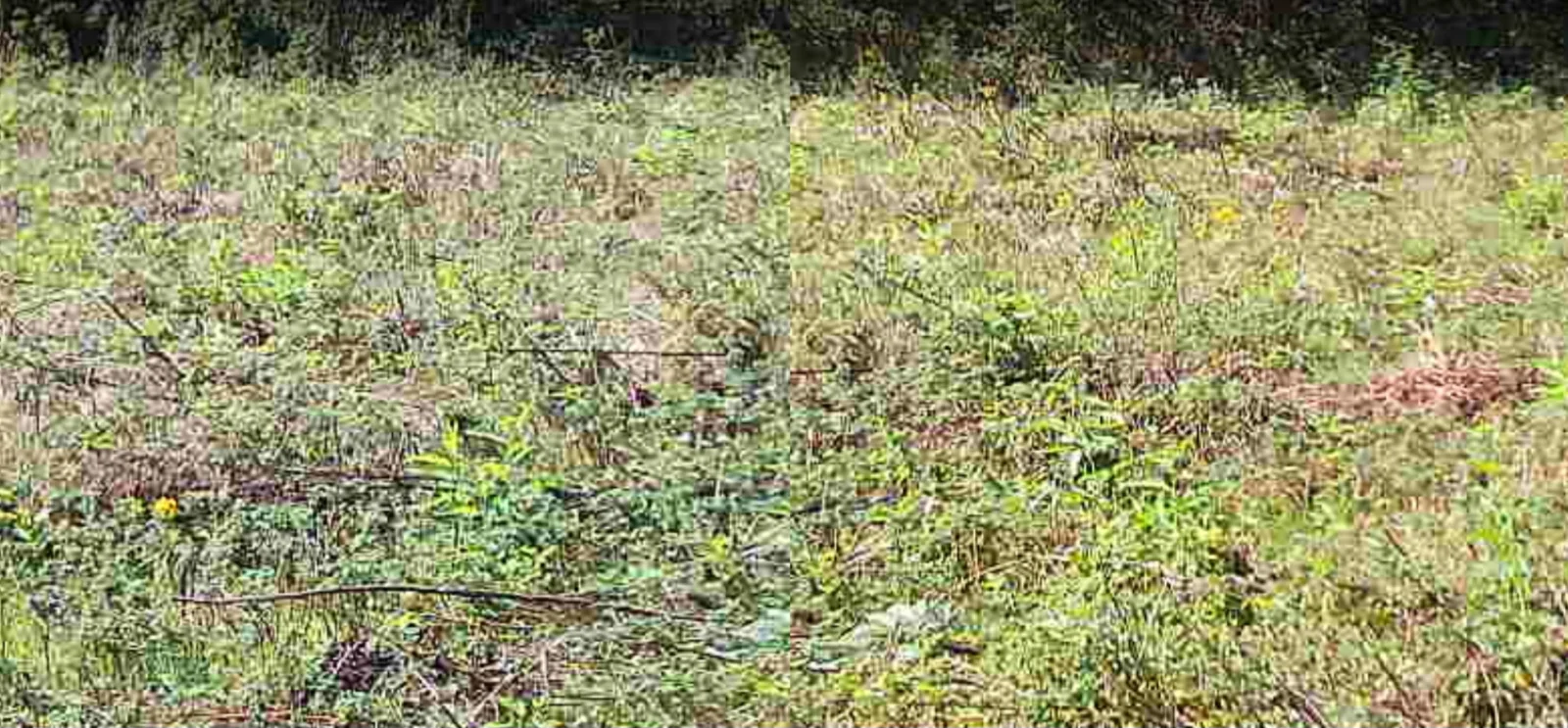
Here is one of my native browse spots... STEEP hillside, grows up with coral berry, blackberry, and other forbs. Its a jungle in August. I set a 360 camera on it at the end of August just after bushhogging. Looks like a barren wasteland, zero deer activity for a couple weeks. 3 weeks later, and now its starting to flush out with new tender growth, and 6 to 8 deer are feeding in it every night. And that's with only 1 rain on it in the past 7 weeks.

By November, it will have 3 to 6 inches of new growth (depending on rainfall) which is quite palatable and attractive to deer. Even if my plots fail, I have these spots as my backup food sources. Screenshot_20250918_175845.webp

 

Attachments

  • Screenshot_20250918_175855.webp
    Screenshot_20250918_175855.webp
    161.6 KB
  • Screenshot_20250918_175646.webp
    Screenshot_20250918_175646.webp
    57.3 KB
  • Screenshot_20250918_175658.webp
    Screenshot_20250918_175658.webp
    137.6 KB
So right, I even go as far as fertilizing my natives areas. Right now we are so dry any inputs will be for nothing. But a late spring mowing of natives areas followed by a round of fertilizer will generate great food that will often preferred over food plots.
I will often LIGHTLY fertilize mine as well... thats the beauty of native browse... it doesn't require much input. Maybe every other year with generic triple 13 at only 50lbs per acre.

The key to making it palatable is new growth. 4 to 6 inches is ideal. Once it gets over a foot of new growth, it doesn't draw deer. Sure, they will feed on it when nothing else is available, but when it is young and tender, it will absolutely pull deer, often away from planted food sources.

This location is only a few hundred yards from level ground with mature sorgham heads (which are getting hammered) and a few hundred yards from row crop beans (which are also getting hammered)... yet there are now deer in this 5 acres of native browse every evening spending hours feeding... and the number of deer will increase exponentially after I bushhog the sorgham and there is nothing to eat there until fall plantings emerge, and even more deer will be here after the beans are harvested until winter cover crop emerges.

Native browse isnt the 'be all, end all' on habitat management. But it provides an incredible drought proof cog in the wheel of habitat management. And its the CHEAPEST food source you can provide.
 
I've questioned the past few yrs on whether even planting. From hunting observation, I think the deer browse more on lanes that I just bush hog versus the planted food plot.
AGREED!!!

If I was only focused on attracting deer to kill during November hunting season, I wouldn't fool with plots.

But therein lies the problem with the way I mange for native browse... the first hard freeze burns and kills all that tender native browse. In some years that is mid November... in other years it isnt until mid December. But once the young native browse gets frozen and burned... its over. THAT'S when my food plots take over not only for attraction, but also for feeding my deer during the hard times so they maintain body weights and antler quality the following year.
 
As an Amazon Associate we earn from qualifying purchases. Product prices and availability are accurate as of the date/time indicated and are subject to change.
I've questioned the past few yrs on whether even planting. From hunting observation, I think the deer browse more on lanes that I just bush hog versus the planted food plot.
I've watched it for years...bush hogged lanes, strips and openings in old field type habitat...deer will hammer it....and in the real thick growth they will use the strips or lanes for travel corridors...great cost effective way to manage the habitat....having some areas grown up while having some areas in more of a early successional growth stage adds diversity. Great for wildlife.....theres a term you hear tossed around allot lately "recreational bush hogging" and most biologist and managers suggest landowners stop mowing just to be mowing...we need to change our perspective of what "looks nice"...and let some areas or pockets grow up a little, leave some brush piles, spot spray invasives, leave the natives...And I really enjoy food plotting, but managing the native habitat is a cost-effective way to get more bang for your buck.
 
Interesting conversation. I need a bat winged bush hog to mow down the blackberry bushes around the pond edge, but like the idea of fresh shoots there for the deer.

Last week I drew up field specific plans to bush hog hay fields that were not cut the last two years. The idea is to cut trails through them with hopes rain would finally hit and those trails would deliver some fresh green. I also need lanes to kill off the coyote from the deer blinds. Seems the rain is here so it's time to do the plan.
 
I let one of my plots go fallow this summer. No seed no mowing, just neglect. It grew thick with weeds, some well over head height. And I don't know I've ever seen deer use it so much. Has me seriously rethinking my approach.
 
If the Japanese Stiltgrass keeps spreading, we won't have any native browse. I think the flooding with the heavy spring rains spread seeds everywhere. I see it thick along roadsides where I never noticed it before. On my own property, I wish I had recognized what it was when it first appeared.
 
If the Japanese Stiltgrass keeps spreading, we won't have any native browse. I think the flooding with the heavy spring rains spread seeds everywhere. I see it thick along roadsides where I never noticed it before. On my own property, I wish I had recognized what it was when it first appeared.

My nemesis. It's BAD at my place. I've sprayed roundup and clethodim but it pops right back out before the sprayed stuff can even die.
 
My nemesis. It's BAD at my place. I've sprayed roundup and clethodim but it pops right back out before the sprayed stuff can even die.
I wonder if there's something that can be planted that would choke it out.
 
My nemesis. It's BAD at my place. I've sprayed roundup and clethodim but it pops right back out before the sprayed stuff can even die.
Check the label on Imazapic. Should be able to spray 6+ ounces/acre plus surfactant for residual control. Commonly referred to as Plateau but there are other generic brands these days. The label should provide a % solution rate as well for spot treatments.
 
I still haven't planted or mowed my summer plots, and that last rain really caused the browsed down soybeans and cowpeas to put on a spurt of growth. In addition, the natural reseeding crimson clover is starting to come up. Deer have suddenly jumped on this new growth, and they are back in the plots with a vengeance.
 
I still haven't planted or mowed my summer plots, and that last rain really caused the browsed down soybeans and cowpeas to put on a spurt of growth. In addition, the natural reseeding crimson clover is starting to come up. Deer have suddenly jumped on this new growth, and they are back in the plots with a vengeance.
Consider foregoing herbicide, broadcasting fall seed, then bushhogging at the highest setting possible if you dont have a lot of competing grasses or noxious weeds. Save that crimson, and the Hutchinson beans can still resprout if you cut them high (8in) and feed deer until 1st freeze... by then the cereal grains will be established. It won't be a pretty plot, but you won't be left with a food desert for 3 weeks in between fall and winter.
 
Consider foregoing herbicide, broadcasting fall seed, then bushhogging at the highest setting possible if you dont have a lot of competing grasses or noxious weeds. Save that crimson, and the Hutchinson beans can still resprout if you cut them high (8in) and feed deer until 1st freeze... by then the cereal grains will be established. It won't be a pretty plot, but you won't be left with a food desert for 3 weeks in between fall and winter.
Not going to gly the plots. Might - repeat "might" - hit them with Cleth right after mowing. But it's getting so late in the season, Nature may knock out the summer grasses soon after mowing without any herbicide. Just going to add a little more crimson seed and about 100 lbs of wheat per acre. Luckily, Crimson is only just up. If I mow in the next week or so it won't be tall enough to get clipped.
 

Latest posts

Back
Top