Food Plots Need opinions on new plots

Tennessee Deer Sporting & Deer Hunting Community Forum

Help Support TNDeer | Tennessee Deer:

FredRog72

Well-Known Member
Joined
Feb 12, 2018
Messages
519
City & State/Province
Crofton, KY
I'm in the early stages of preparing my plots. I've already performed soil test and the lime is doing it's thing. I've got 2 spots I'm planting and the plan so far is Lablab, cow peas and clover for spring/summer and then turnips and daikon radish in the fall. I've done a good amount of research on Lablab but wanted to get the experts opinions here. Not sure if it matters, but each of these spots are about 1/4 acre. Also these plots are in Southern Kentucky. Any experience with Lablab?
 
Lab lab and cowpeas will be destroyed by the deer before they get 4in tall in 1/4 acre plots. Don't waste your time and money. Just plant them in buckwheat and millet for the summer (more for weed suppression and soil building than to actually.feed the deer).

I LOVE radishes (and my deer do, too!), but I'd plant them with a cereal grain and annual clover this fall. Next spring just let cereal grain and clover go untouched until the following fall.
 
Lab lab and cowpeas will be destroyed by the deer before they get 4in tall in 1/4 acre plots. Don't waste your time and money. Just plant them in buckwheat and millet for the summer (more for weed suppression and soil building than to actually.feed the deer).

I LOVE radishes (and my deer do, too!), but I'd plant them with a cereal grain and annual clover this fall. Next spring just let cereal grain and clover go untouched until the following fall.
you buy the buckwheat from a local co-op or online ?
 
Thanks !! I wasn't sure if there was different types of buckwheat or anything. I had planned on doing that for a summer plot as well. But I have not looked into it real hard yet
You will like it . This picture is an area that I had cleared last spring and I planted buckwheat after we got everything done. Stuff will come up almost anywhere I do believe. No soil test , nothing I just tilled the ground and broadcast it.
 

Attachments

  • Screenshot_20220221-191717.png
    Screenshot_20220221-191717.png
    339.2 KB
You will like it . This picture is an area that I had cleared last spring and I planted buckwheat after we got everything done. Stuff will come up almost anywhere I do believe. No soil test , nothing I just tilled the ground and broadcast it.
Do you kill it out for your fall plots and just disc it in ? I've read it's great for soil
Building
 
Do you kill it out for your fall plots and just disc it in ? I've read it's great for soil
Building
I will spray out my fall plots a couple weeks before I plant I will then till , broadcast and drag it in. I plant the last week of April / first week of May . Stuff comes up in no time. Yes it's good for your soil. This picture is my main field June 2. That's sunflowers beside the buckwheat. I do some of both usually. I mow the buckwheat down, spray and till to do my fall plots mid /late August.
 

Attachments

  • Screenshot_20220221-194609.png
    Screenshot_20220221-194609.png
    435.2 KB
Last edited:
I will spray out my fall plots a couple weeks before I plant I will then till , broadcast and drag it in. I plant the last week of April / first week of May . Stuff comes up in no time. Yes it's good for your soil. This picture is my main field June 2. That's sunflowers beside the buckwheat. I do some of both usually. I mow the buckwheat down, spray and till to do my fall plots mid /late August.
Great info. Very helpful. Thank you sir
 
Good info given above. Anything less than an acre even in normal deer density will get hammered as it's coming up. I've done iron clay peas , mixed with various other stuff in a 3 acre plot and it looked like a putting green , never had a chance.
 
I'm in the early stages of preparing my plots. I've already performed soil test and the lime is doing it's thing. I've got 2 spots I'm planting and the plan so far is Lablab, cow peas and clover for spring/summer and then turnips and daikon radish in the fall. I've done a good amount of research on Lablab but wanted to get the experts opinions here. Not sure if it matters, but each of these spots are about 1/4 acre. Also these plots are in Southern Kentucky. Any experience with Lablab?
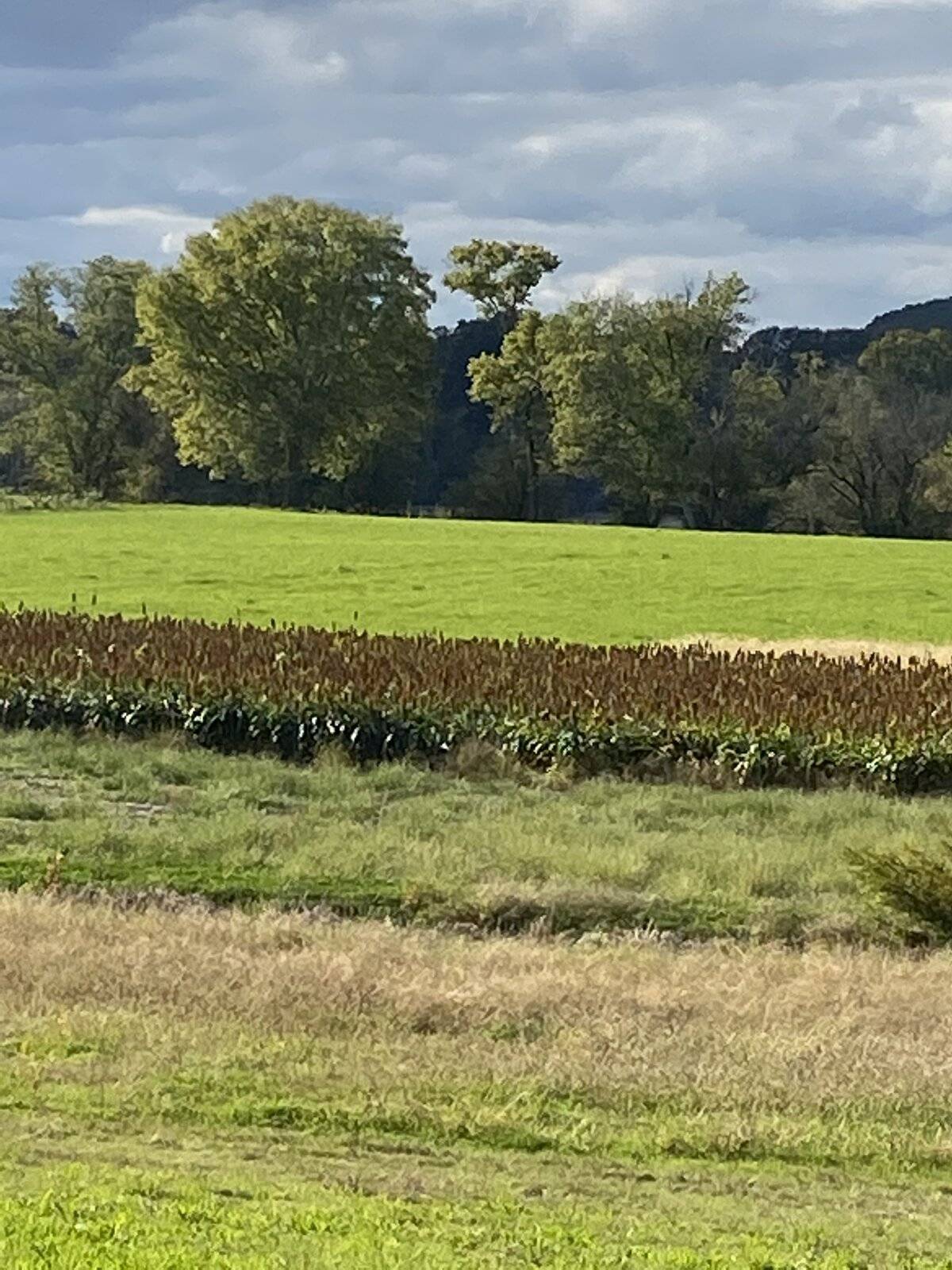
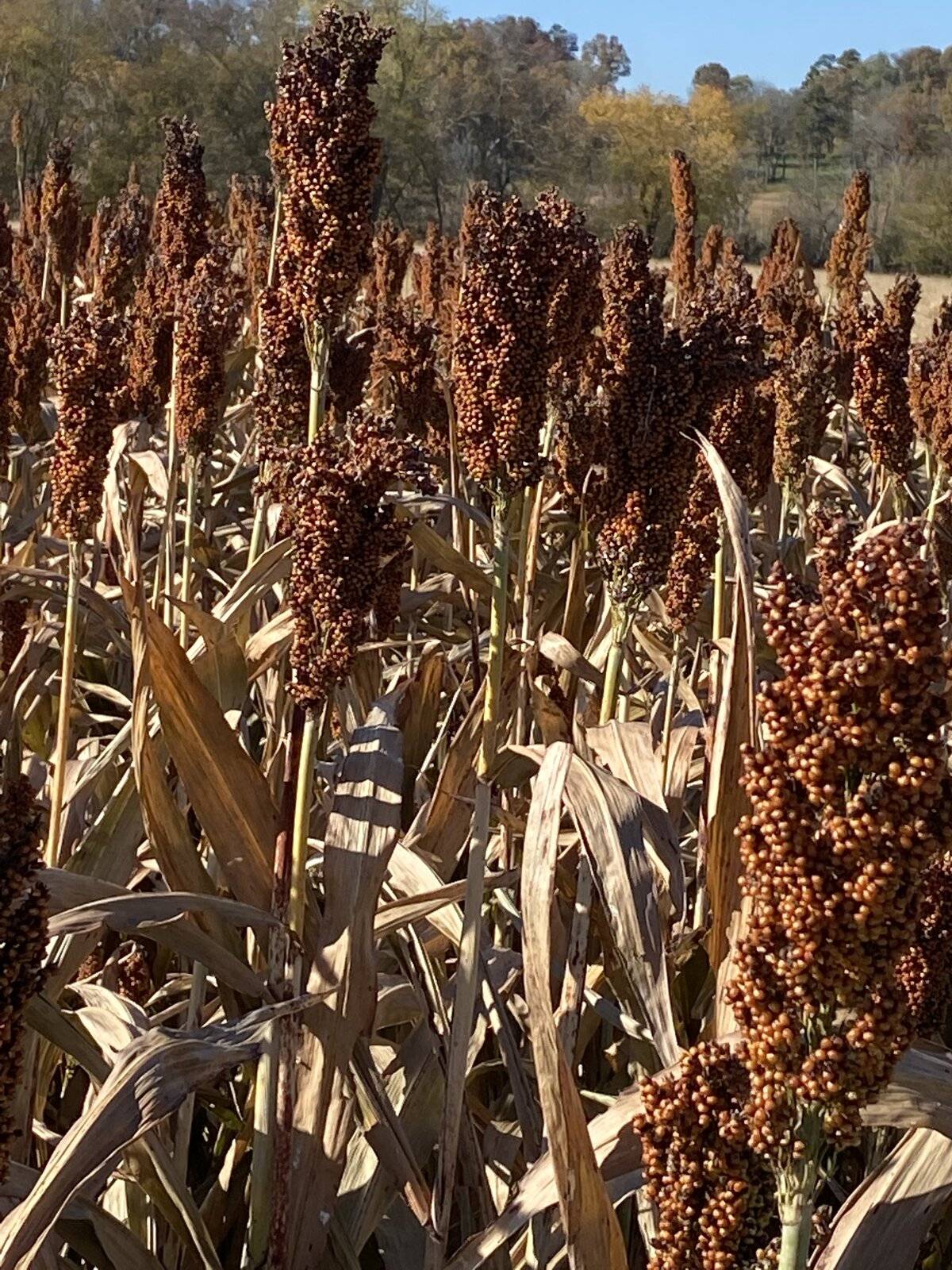
1/4 acre plots in KY are gonna be tough to maintain but if you are planning to hunt plots or the trails to them you need food. Lablab is a good option. I prefer forage beans but in your circumstance they simply wont stand the browse, with plots that size you need to take advantage of the fact that deer are browsers not grazers. Give them a variety and they will eat some of each rather than all of one, plant high density and be prepared to plant again if needed. These are the facts of managing high population areas. Being in KY you have the option of feeding (except before and during Turkey season) which means you can feed at a distance to reduce pressure on your plots. I like blends, they dont have to be complicated, mix your own. Lablab, cereal rye or wheat, both annual and perennial clovers, buckwheat for spring, Cereal rye, turnips, radishes for fall. Add some brassicas if you wish. depending on the equipment you have available I do not suggest killing a plot unless it it over ran with weeds or grass. drill into a standing plot if you have a drill, if no drill but a disk then broadcast your seed and disk to scuff and put seed into contact with the soil. I dont like tilling, plowing or chemically killing a plot if I dont have to. Find the balance of the least disturbance to produce the greatest result. This works, some may laugh but I have found a significant difference in how deer treat and act in a no till, no spray blended plot vs a conventional spay to kill, till and plant plot with one species in it. I have also become a fan of planting just a little sudan sorghum or milo (a hand full per 1/4 acre) for cover / security. Compaction can be an issue, make certain water can get into the soil, turnips, radishes and buckwheat will help with that. Fertilize and sunlight are your other concerns as both are needed in good amounts.
I also suggest a couple 3 or 4 ft exclusion cages or you will never know of your success. I have a couple clover plots that look like golf greens.
Some have success with electric fences set up to create an electrical field, I use the to exclude deer from duck holes in stewart county TN and they work to a degree but some deer learn them and jump them still.
Also consider fertilizing nearby briar thickets and honeysuckle. let springtime ragweed grow, deer hit it hard.

My final suggestion is perseverance.
 
1/4 acre plots in KY are gonna be tough to maintain but if you are planning to hunt plots or the trails to them you need food. Lablab is a good option. I prefer forage beans but in your circumstance they simply wont stand the browse, with plots that size you need to take advantage of the fact that deer are browsers not grazers. Give them a variety and they will eat some of each rather than all of one, plant high density and be prepared to plant again if needed. These are the facts of managing high population areas. Being in KY you have the option of feeding (except before and during Turkey season) which means you can feed at a distance to reduce pressure on your plots. I like blends, they dont have to be complicated, mix your own. Lablab, cereal rye or wheat, both annual and perennial clovers, buckwheat for spring, Cereal rye, turnips, radishes for fall. Add some brassicas if you wish. depending on the equipment you have available I do not suggest killing a plot unless it it over ran with weeds or grass. drill into a standing plot if you have a drill, if no drill but a disk then broadcast your seed and disk to scuff and put seed into contact with the soil. I dont like tilling, plowing or chemically killing a plot if I dont have to. Find the balance of the least disturbance to produce the greatest result. This works, some may laugh but I have found a significant difference in how deer treat and act in a no till, no spray blended plot vs a conventional spay to kill, till and plant plot with one species in it. I have also become a fan of planting just a little sudan sorghum or milo (a hand full per 1/4 acre) for cover / security. Compaction can be an issue, make certain water can get into the soil, turnips, radishes and buckwheat will help with that. Fertilize and sunlight are your other concerns as both are needed in good amounts.
I also suggest a couple 3 or 4 ft exclusion cages or you will never know of your success. I have a couple clover plots that look like golf greens.
Some have success with electric fences set up to create an electrical field, I use the to exclude deer from duck holes in stewart county TN and they work to a degree but some deer learn them and jump them still.
Also consider fertilizing nearby briar thickets and honeysuckle. let springtime ragweed grow, deer hit it hard.

My final suggestion is perseverance.
So as far as equipment. I have a tractor with a disk harrow and a bush hog. Full disclosure, these plots are within 300 yards of my house and supplemental feeding is not only an option, but fully implemented year round (not turkey hunting this land). I've yet to even attempt hunting these deer and I watch them regularly. I do plan to put a stand of Egyptian wheat along the borders that will shield them from activity around the house and hopefully make them more comfortable. The side of the plots away from the house consists of thick cover. This will be my learning year for sure and I've selected these 2 small areas for just that purpose. I've got about 10 acres of pasture that could end up being all planted down the road once I figure out what the deer want and what fits the budget.

Thank you sir for the advice!
 
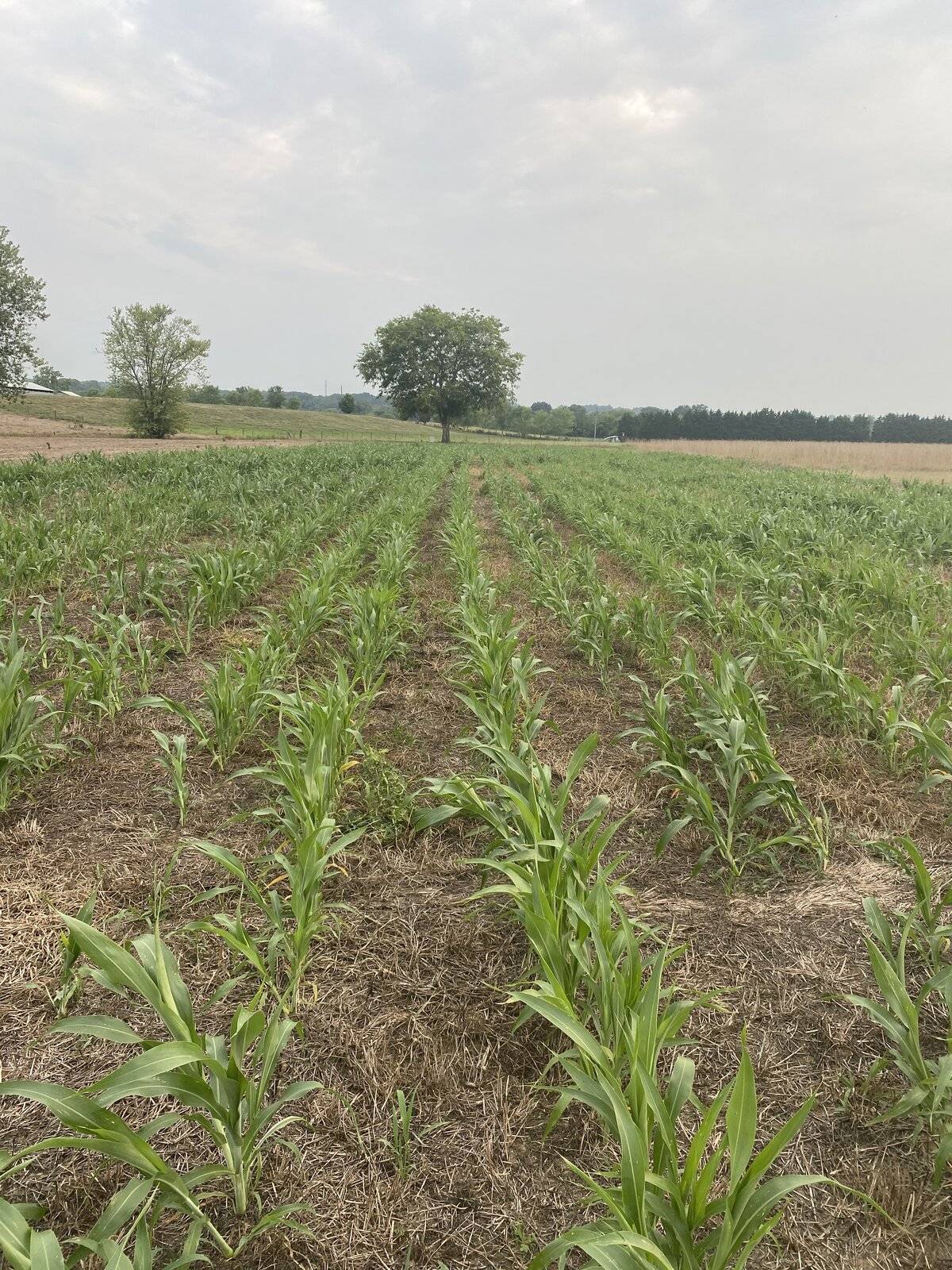
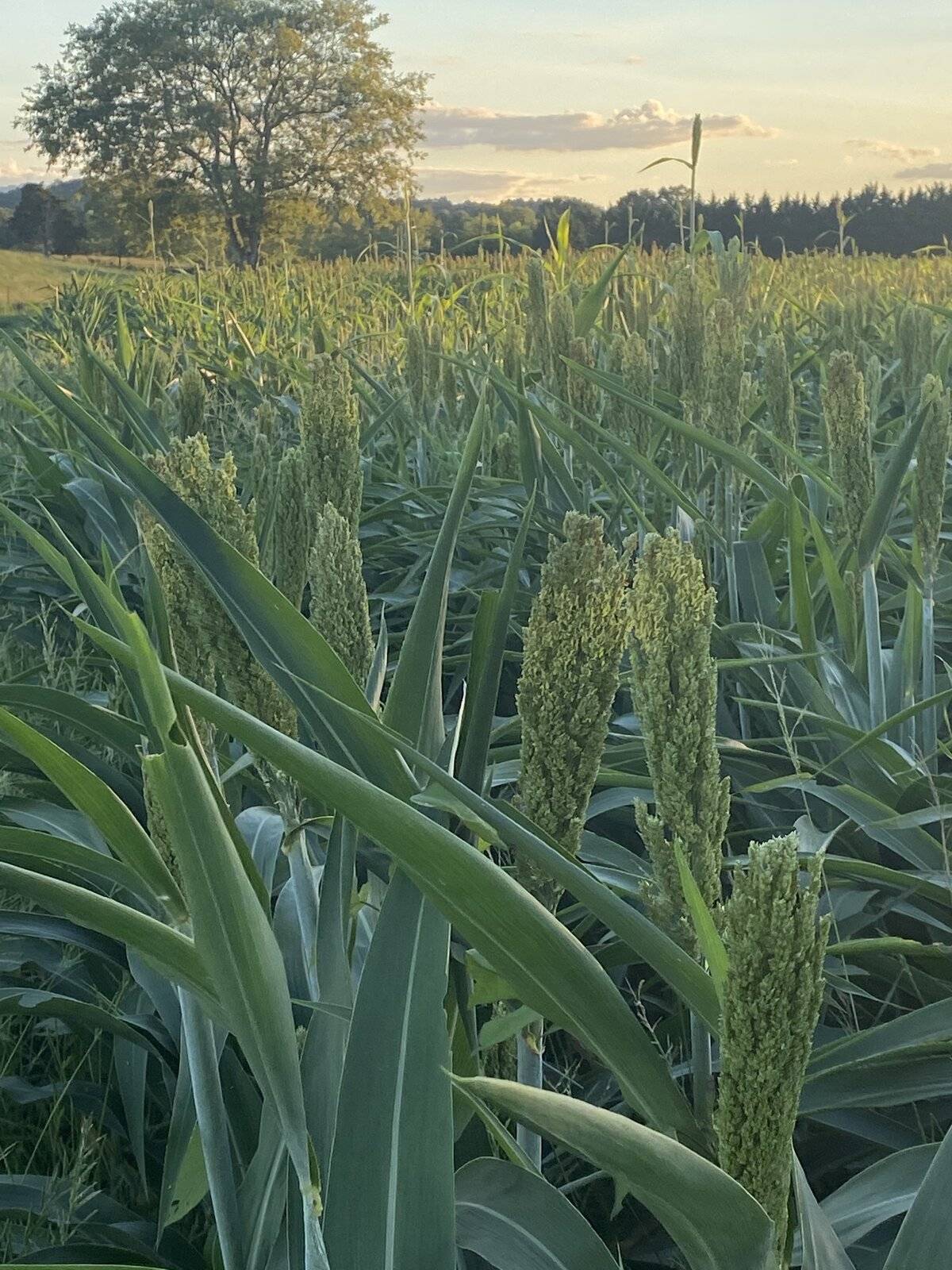
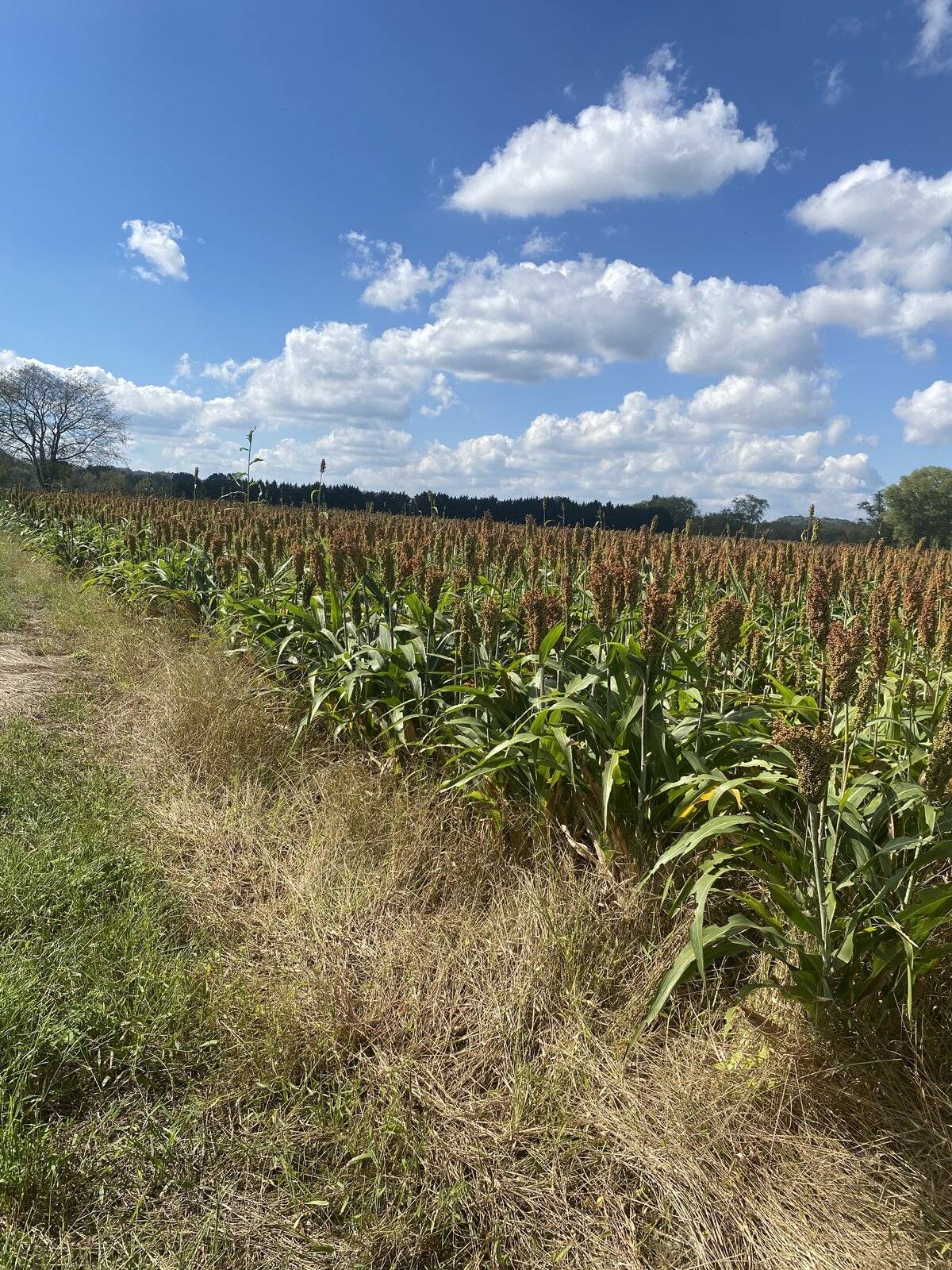
I like to grow Milo(sorghum). It provides excellent cover for all game and birds and deer love the seedheads in the fall. I typically drill the seed in a sprayed out plot no later than June 1. It typically takes 100 to 110 days for it to reach maturity, thus providing cover and feed all fall. I always use the short hybrid varieties that get a bout 42-48 inches tall. One thing about Milo is that you can overspray with a pint of 2-4d per acre and kill any emerging broadleaf plants but not the milo. If you plant in 30" rows they will then shade out most of the weeds from there on after spraying. I will see if I can find a pic or two.
 
I'm in the early stages of preparing my plots. I've already performed soil test and the lime is doing it's thing. I've got 2 spots I'm planting and the plan so far is Lablab, cow peas and clover for spring/summer and then turnips and daikon radish in the fall. I've done a good amount of research on Lablab but wanted to get the experts opinions here. Not sure if it matters, but each of these spots are about 1/4 acre. Also these plots are in Southern Kentucky. Any experience with Lablab?
I think the deer will destroy it before it grows. Any type of pea or beans need big acreage. If you want to go through the hassle of putting an electric fence around it to let it grow to maturity, then it will work. The deer will just crush it once it becomes 2-3" tall and it will never mature. Do clover, rape, turnips etc.. I mainly plant clover as my perineal plots and then do some annual rye, oats, or winter wheat in other spots for just attraction. Plant ladino, crimson, and red clover mix. The ladino will come back every year and last for 4-5 years if you control weeds and grass. Fertilizer is key with clover.
 
1/4 acre plots in KY are gonna be tough to maintain but if you are planning to hunt plots or the trails to them you need food. Lablab is a good option. I prefer forage beans but in your circumstance they simply wont stand the browse, with plots that size you need to take advantage of the fact that deer are browsers not grazers. Give them a variety and they will eat some of each rather than all of one, plant high density and be prepared to plant again if needed. These are the facts of managing high population areas. Being in KY you have the option of feeding (except before and during Turkey season) which means you can feed at a distance to reduce pressure on your plots. I like blends, they dont have to be complicated, mix your own. Lablab, cereal rye or wheat, both annual and perennial clovers, buckwheat for spring, Cereal rye, turnips, radishes for fall. Add some brassicas if you wish. depending on the equipment you have available I do not suggest killing a plot unless it it over ran with weeds or grass. drill into a standing plot if you have a drill, if no drill but a disk then broadcast your seed and disk to scuff and put seed into contact with the soil. I dont like tilling, plowing or chemically killing a plot if I dont have to. Find the balance of the least disturbance to produce the greatest result. This works, some may laugh but I have found a significant difference in how deer treat and act in a no till, no spray blended plot vs a conventional spay to kill, till and plant plot with one species in it. I have also become a fan of planting just a little sudan sorghum or milo (a hand full per 1/4 acre) for cover / security. Compaction can be an issue, make certain water can get into the soil, turnips, radishes and buckwheat will help with that. Fertilize and sunlight are your other concerns as both are needed in good amounts.
I also suggest a couple 3 or 4 ft exclusion cages or you will never know of your success. I have a couple clover plots that look like golf greens.
Some have success with electric fences set up to create an electrical field, I use the to exclude deer from duck holes in stewart county TN and they work to a degree but some deer learn them and jump them still.
Also consider fertilizing nearby briar thickets and honeysuckle. let springtime ragweed grow, deer hit it hard.

My final suggestion is perseverance.
Just curious what you have noticed in how deer act/treat a plot that's been killed vs no-till? I've always killed my plots off and ran the disc over them but I'm all for trying it another way that would save me time.
 
Just curious what you have noticed in how deer act/treat a plot that's been killed vs no-till? I've always killed my plots off and ran the disc over them but I'm all for trying it another way that would save me time.
First their is an immediate reduction in traffic on sprayed plots. Blame it on chemical odors, intrusion, human factor but on camera sets there is near total avoidance by mature deer. The plot becomes a food desert till the new crop has immerged and only then do I see a gradual return of mature deer. I acknowledge that deer like the smell of fresh soil but also the new quickly fades as the plot is still a food desert and mature deer will skirt the edge to feed the curiosity. I dont see 4+ year old deer out in tilled soil. Often spraying, mowing, tilling, planting is way too much disturbance and human encroachment for mature deer and they will move or at least shy away for an extended time. Plus that is3 or 4 events of time, fuel and wear. Also consider every time you break the soil you open the seed bank and invite more weeds. Once a plot has re-established it will return to historic numbers of visitors over time but you always risk pushing a mature buck away for the season. Even pushing him away for a few weeks increases the risk he dies while crossing the road or ??. Plots with heavy disturbance by you will always have less traffic of mature deer than those barely visited, this is clear by my camera sets on different farms. Weeds / grasses are the only reason to spray. Leaving matter / crop on the field extends the value of the plot to game and to some degree reduces the effect of your intrusion. If you plant forage beans in may then Cereal rye with crimson clover, turnips and radishes at the end of august you have a choice to kill those beans that otherwise will last well into bow season or just plant into them and preserve that food value, create less disturbance and save money. Drill in no till and you will be surprised at what is standing after the next couple days or broadcast and scuff it up with a disk to put the seed down. The forage bean will continue to sucker and grow, the cutting will generate a flush of new tender growth as well as protect the ground against erosion and late season weeds. But most noticeable factor is the numbers of mature deer visiting the plot which seldom drops beyond a couple days as the known food source is still there. In the end it is less intrusion, less disturbance and your plot is never a food dessert as one crop reaches its cycle end the next has already emerged and it is not new to them, there is no acclimation period.
Just as a note but no small item, herbicides also kill soil dwelling fungi which are crucial to healthy soils and healthier plants. Protecting soil based microbiology, is going to be critical to feeding the masses in the future.
JMHO
 
Just remember to have fun with it. Experiment, things that work on one farm may not be the same on another. If you make it enjoyable then it will never become a task or job
Wow, for me, nothing about working/planting plots is fun. Probably because I do it all by myself, from liming/fertilizing, to breaking ground, to seeding and covering. One of the great pains in the arse of the year. The only thing I like about working plots is getting all those great trail-cam pictures from them!
 
The plot becomes a food desert till the new crop has immerged...

In the end it is less intrusion, less disturbance and your plot is never a food dessert as one crop reaches its cycle end the next has already emerged...
One of these years, I'm going to try staggering my plot planting. I hate the fact that all my plots are a food desert at the same time.

Only thing keeping me from doing that is how critical rains are for my plot work and seeding. And in August and September, rains can be few and far between, which means I often don't have the choice of multiple planting dates.
 
Last year we did buckwheat on several plots for the first time. Was very impressed with it's ability to suppress weeds. We sprayed plots and two weeks later we broadcast buckwheat heavy into dead thatch and bush hogged...timed this just before a good rain and the germination was excellent.....we let our buckwheat mature and go to seed...the turkey and dove loved it and the deer did feed some on the plant but they didnt mow it down....if you don't want it to go to seed...spray it to terminate and sow fall crop.....or let it go to seed and it will self terminate and re-seed itself....we let the buckwheat flower and seed out then we sowed our fall blend of wheat, turnip, radish directly into the mature buckwheat and bush hogged it just before a rain....the buckwheat germinated quickly...then came the fall blend....not a picture perfect food plot....but allot of food for wildlife.... But we never broke the ground...and we are building soil.....I've considered mixing some sunflower and milo with the buckwheat this year....but no doubt buckwheat will be part of our summer blend.
 
Wow, for me, nothing about working/planting plots is fun. Probably because I do it all by myself, from liming/fertilizing, to breaking ground, to seeding and covering. One of the great pains in the arse of the year. The only thing I like about working plots is getting all those great trail-cam pictures from them!
Somehow I didnt expect this from BSK! I guess I am a dirt farmer who loves every aspect of it. I even love doing it by myself. My last helper got sent to the barn to clean up there cause he talked too much lol.
When I started caring for properties that had potential for 160 inch and better bucks after a couple years I realized it was about the plan, not the hunt. my excitement peaks in may when I am planting. My greatest satisfaction is when a landowner is happy with his view and his harvest.
Harvesting a good buck is certainly rewarding to me just as a freezer full of meat but not as rewarding as successful management.
To take a property from logger thru dozer, plot creation, soil building to the smiling face of the owner with a great harvest is to have had a great success.
 
One of these years, I'm going to try staggering my plot planting. I hate the fact that all my plots are a food desert at the same time.

Only thing keeping me from doing that is how critical rains are for my plot work and seeding. And in August and September, rains can be few and far between, which means I often don't have the choice of multiple planting dates.
Drilling into a standing crops certainly helps manage moisture and gives you a bit more of a window. A day earlier on the wet side and a couple or 3 on the back side.
 
Drilling into a standing crops certainly helps manage moisture and gives you a bit more of a window. A day earlier on the wet side and a couple or 3 on the back side.
Don't own a drill and could never afford one. And waiting in line to rent one means I couldn't plant when I want to. Plus our soil is so strange that it will go from concrete hard to an inch of slop to back to concrete hard in 48 hours. When dry, a drill wouldn't penetrate the soil, just roll across the surface. When dry, even a chisel plow won't penetrate, just scratch the surface.
 

Latest posts

Back
Top